




The illicit trade of medicine doesn’t stop at EU borders. To combat organised crime groups contributing to this public health threat, pharmaceutical crime investigators from the Eastern Partnership (EaP) and Western Balkans (WB) participated in a workshop on the illicit trade of medicines. The two-day TOPCOP - WB PaCT EMPACT Support Network meeting was organised jointly by CEPOL and Europol and hosted by the Law Enforcement Directorate for Environment and Public Health (CESAN) from the French National Gendarmerie in Paris.
Experts from France, Austria, Czechia, Italy, Greece, Slovakia, Spain, and the UK, as well as from the European Union Intellectual Property Office (EUIPO) and Europol, shared their knowledge on counterfeit, falsified, diverted, and misused medicines and anabolic substances, and handling related investigations. In the experience-sharing session, practitioners from EaP and WB countries exchanged the trends in their countries.
Participants also visited the French Antidoping Agency (AFLD) laboratories. They were walked through how the testing during the Olympics and para-Olympics was done and what testing for doping looks like to understand the sophisticated methods used to detect and trace illicit substances. This knowledge is critical in identifying and disrupting the supply chains of organised crime groups involved in the production and distribution of counterfeit and illegal medicines, which often overlap with doping-related criminal activities. By learning from the AFLD’s expertise, participants are better equipped to tackle these networks and their broader operations.
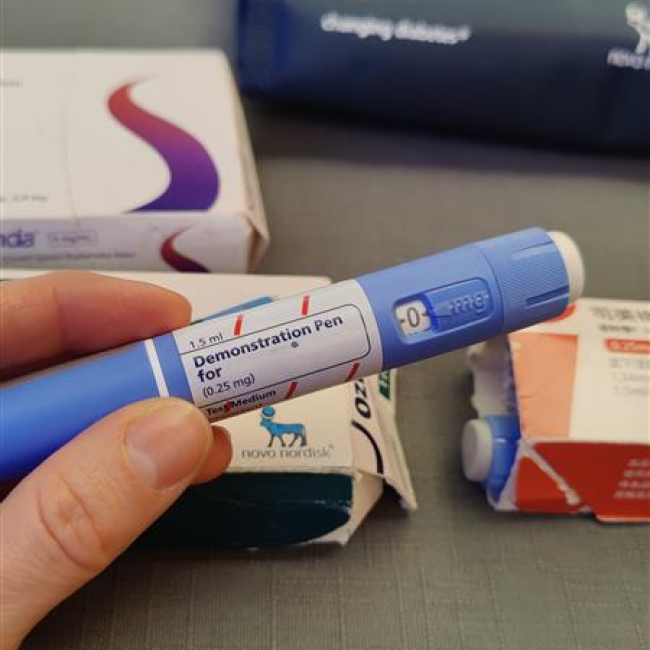
Recent analytical data from Europol indicates a significant increase in pharmaceutical crime cases in Europe. In response to this trend, the 26-27 November activity strengthened cooperation and enhanced operational connections between law enforcement authorities from the EaP, WB, UK, and EU law enforcement officials. The workshop looked at the illicit medicines trade in general, with a deep dive on anti-diabetic medicines and anabolic substances. The experts addressed the key areas:
- Intelligence picture;
- Communication channels during operations to increase the effectiveness of joint responses;
- Guidance for investigators during case study on best practices in managing judicial cases related to pharmaceutical crimes.
The workshop supported EMPACT actions in the area of Intellectual Property Crime, Counterfeiting of Goods and Currencies aiming to ensure that national representatives of the above regions are well-prepared to contribute effectively to the fight against this criminal threat.
In preparation for the meeting in Paris, CEPOL and Europol held a webinar on 7 November. Speakers from Greece, Italy, Spain, Germany and EUIPO provided a strategic overview of the current pharmaceutical crime landscape, along with updates on the latest intelligence and operational developments.

Related Tags


